Working Principle:Photoelectric Detection
Power Supply:DC 5V
Operating Temperature:-20℃ to +70℃
Rotation Angle:360°
Shaft Rotation Force:50 gf·cm to 400 gf·cm
Insulation Resistance:>100 MΩ
Contact Resistance :≤1 Ω
Withstand Voltage:300V AC / 1 minute
Rotational Life:50,000 cycles
Output Signals:A / B, Z optional*
Encoder Type:Incremental
Shaft Design:Hollow Shaft
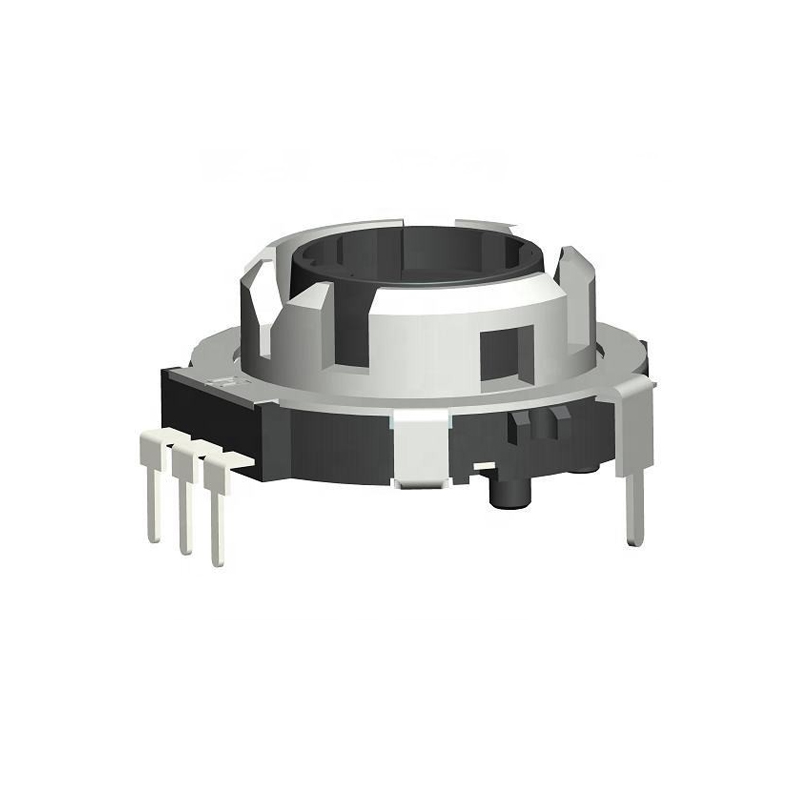
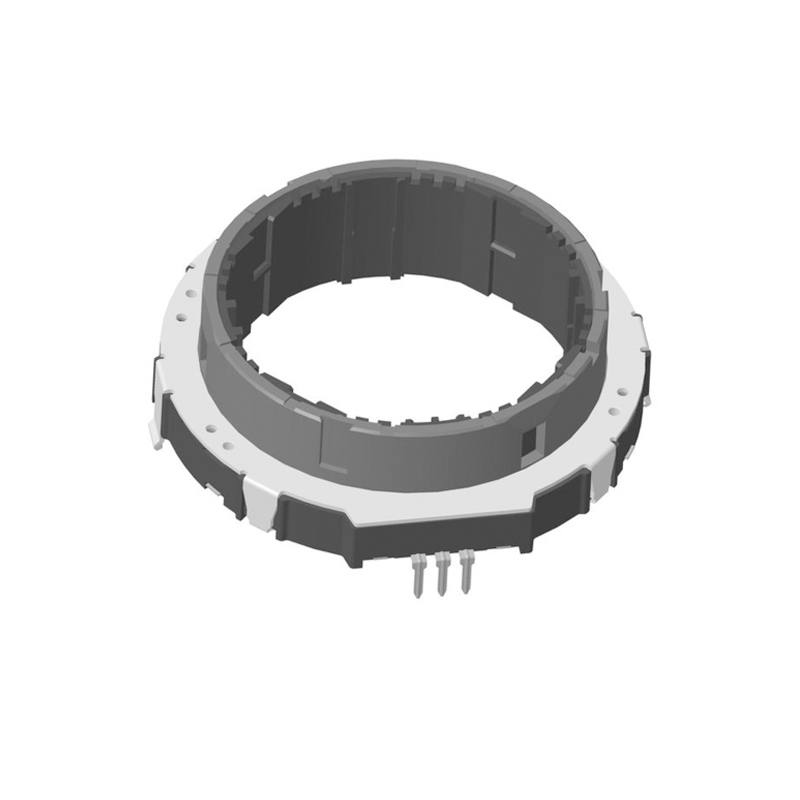
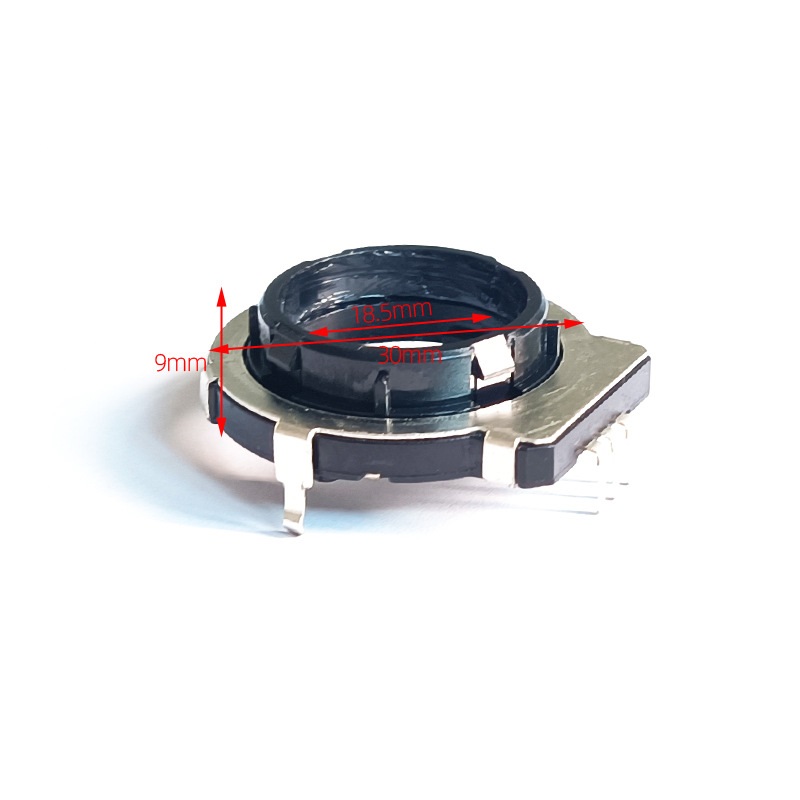
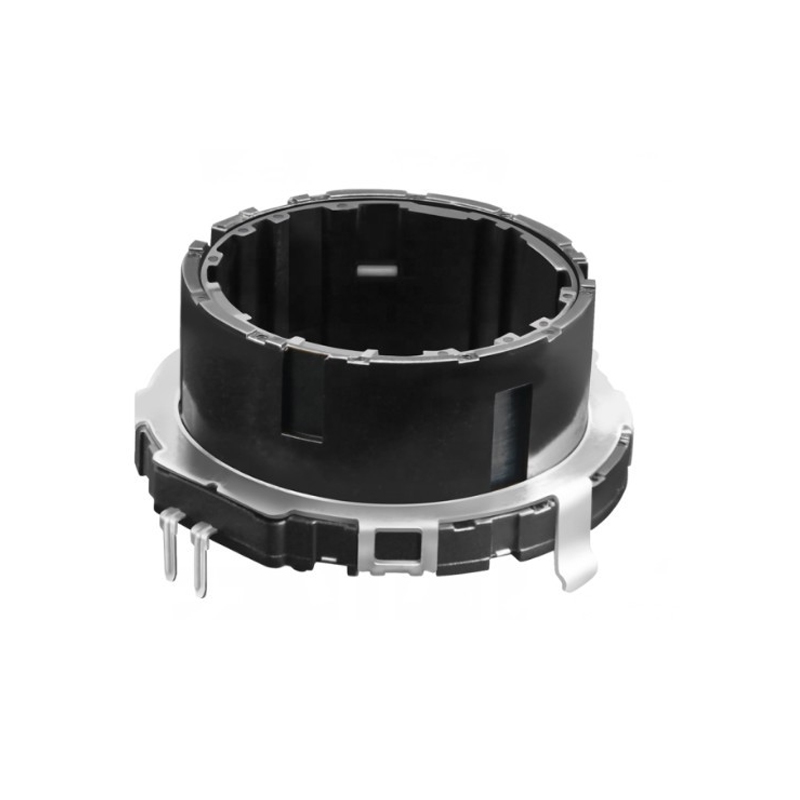
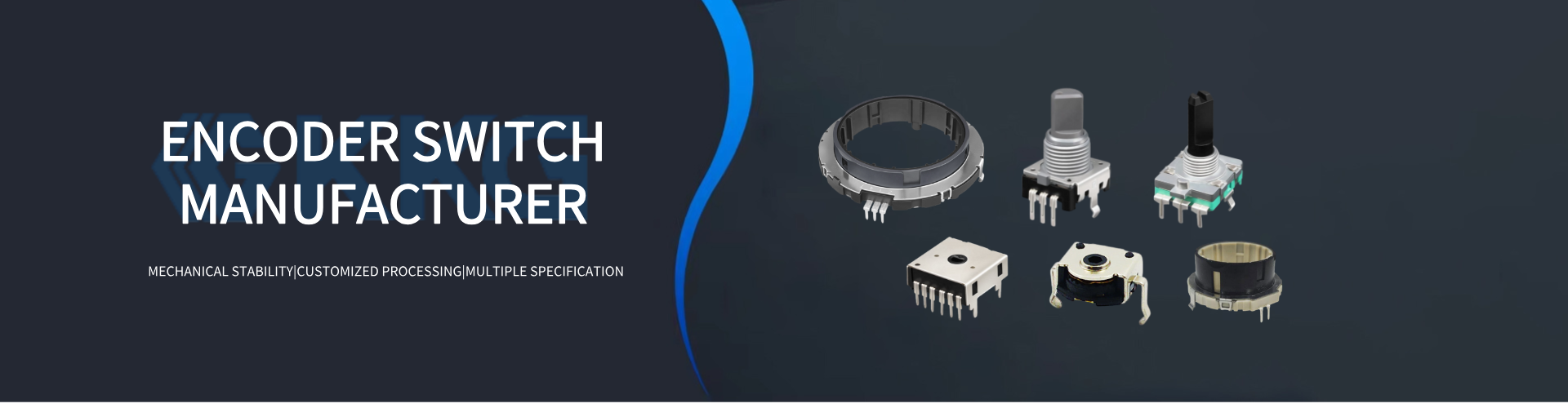
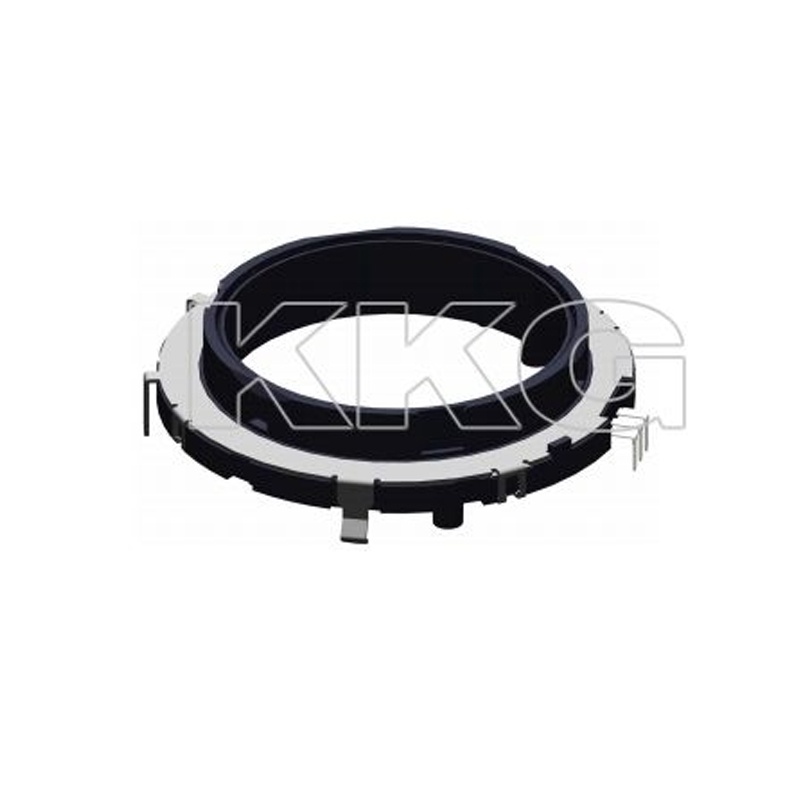
The Hollow Shaft Incremental Encoder is designed to accurately detect rotational movement and convert mechanical rotation into electrical pulse signals. With a compact hollow shaft structure, it can be directly mounted onto a rotating shaft, making it suitable for applications where installation space is limited or where the encoder needs to be integrated with existing drive systems.
Based on photoelectric sensing technology, this incremental Rotary Encoder provides reliable pulse feedback for measuring rotational speed, direction, position, and displacement. It is widely used in automation equipment, robotics, cutting machines, assembly systems, and other motion-control applications.
| Characteristics | Specification |
|---|---|
| Operating Temperature | -20℃ to +70℃ |
| Shaft Rotation Force | 50 gf·cm to 400 gf·cm |
| Total Rotation Angle | 360° |
| Power Rating | DC 5V |
| Insulation Resistance | More than 100 MΩ |
| Contact Resistance | 1 Ω Max |
| Withstand Voltage | 300V AC for 1 minute |
| Rotational Life | 50,000 cycles |
The Hollow Shaft Incremental Encoder converts mechanical rotational movement into periodic electrical pulse signals through an internal photoelectric sensing system.
As the encoder shaft rotates, the optical sensing components detect changes in the encoder's internal coding pattern and generate corresponding output signals. The phase relationship between the output signals can be used to determine the direction of rotation, while the number of generated pulses represents the amount of rotational displacement.
Typically, an incremental encoder provides two phase-shifted output signals, known as A and B channels. By analyzing the phase relationship between these signals, the control system can determine whether the shaft is rotating clockwise or counterclockwise. A Z signal, when provided, can be used as a reference or zero-position signal.
This operating principle allows the encoder to provide real-time feedback for motion control, positioning, speed measurement, and automated equipment.
The hollow shaft structure allows the encoder to be mounted directly onto a rotating shaft, reducing the need for complicated coupling components. This design is particularly useful for compact mechanical systems and applications with limited installation space.
The encoder provides pulse-based feedback corresponding to shaft rotation, allowing control systems to accurately monitor rotational movement, speed, direction, and position.
Two orthogonal output signals, A and B, can be used to identify both the amount and direction of rotation. Depending on the encoder configuration, a Z-phase signal can also provide a reference position.
The compact structure and lightweight design make the Hollow Shaft Rotary Encoder easy to integrate into automation equipment, control systems, and precision machinery.
The photoelectric sensing structure provides stable signal detection and reliable operation, making the encoder suitable for continuous feedback applications.
With a rotational life of up to 50,000 cycles, the encoder is designed for repeated rotary operation in industrial and automation environments.
When selecting a Hollow Shaft Encoder, several technical parameters should be considered to ensure compatibility with the application.
Resolution indicates how many signal divisions or pulses the encoder generates during one complete revolution. A higher resolution generally provides finer rotational measurement and more precise motion feedback.
Pulse count refers to the number of output pulses generated during one rotation. It is closely related to the encoder's resolution and determines the level of rotational information available to the control system.
The working voltage specifies the power supply required for normal encoder operation. This model is designed for a DC 5V power supply.
Common incremental encoder output formats include TTL, HTL, and Open Collector. The appropriate output type should be selected according to the PLC, motion controller, or other control equipment being used.
Maximum pulse speed refers to the highest pulse frequency that the encoder and connected control system can reliably process. This parameter should be considered when the encoder is used in high-speed rotary applications.
The Hollow Shaft Incremental Encoder can be used wherever accurate rotational feedback is required.
Encoders provide position and motion feedback for robotic joints and rotating mechanisms, helping the control system achieve accurate movement.
In automated assembly lines, rotary encoders can monitor the movement and position of rotating components to improve production accuracy and repeatability.
The encoder can provide rotary or linear motion feedback for cutting equipment, helping maintain accurate positioning during automated processing.
Compact rotary feedback devices can be integrated into electronic assembly machines to monitor rotating mechanisms and improve equipment control.
The encoder is suitable for conveyors, motors, actuators, positioning systems, and other automated machinery requiring rotary motion feedback.
By providing pulse signals corresponding to shaft rotation, the encoder can work with PLCs, controllers, servo systems, and other motion-control devices for speed and position monitoring.
Before purchasing a Hollow Shaft Incremental Encoder, consider the following factors:
Shaft Size: Make sure the hollow shaft diameter matches the equipment shaft or mounting requirements.
Resolution: Select the appropriate pulse count according to the required positioning accuracy.
Output Signal: Confirm compatibility with the PLC, controller, or motion-control system.
Operating Voltage: Check that the encoder's power supply matches the equipment.
Rotational Speed: Make sure the encoder can support the required operating speed and pulse frequency.
Installation Space: Consider the encoder's overall dimensions and available mounting space.
Operating Environment: Check temperature, vibration, dust, and other environmental conditions before installation.
Compared with conventional rotary feedback solutions, a hollow shaft configuration can simplify mechanical integration by allowing the encoder to be installed directly around an existing shaft.
Its compact structure, reliable photoelectric sensing technology, A/B phase output, and long rotational life make it a practical solution for automated machinery and motion-control applications.
For OEM and industrial applications, customized Hollow Shaft Incremental Encoder solutions can be developed according to specific shaft dimensions, resolution, output signals, mounting requirements, and control system requirements.
A Hollow Shaft Incremental Encoder is a rotary encoder with a hollow shaft design that converts shaft rotation into electrical pulse signals. The output signals can be used to determine rotational speed, direction, position, and displacement.
An incremental encoder generates pulses as the shaft rotates and determines movement based on accumulated signal changes. An absolute encoder provides a unique position value for each shaft position. Incremental encoders are commonly selected for applications requiring speed and relative position feedback.
A and B are typically two phase-shifted output signals. By comparing their phase relationship, the control system can determine the direction of shaft rotation, while pulse counting provides information about rotational displacement.
The Z signal, when available, normally provides one reference pulse per revolution. It can be used as a zero-position or reference signal in motion-control applications.
Depending on the manufacturer and application requirements, specifications such as resolution, output type, shaft size, mounting configuration, cable length, and other parameters may be customized.
Previous: SD-2992 SD Card Connectors
Next: FFC/FPC Connector Series
Tel:
Add:
Rixing Industrial Zone,Tangxia Town, Dongguan City, Guangdong Province, China


Copyright © 2026 KKG ELECTRONICS ELECTRIC C0., LTD. All rights reserved
Privacy policy Cookie tracking